How to Become an Ofsted Registered Childminder in 2026 (Step-by-Step)
Daniel Broadhurst (Founder)
Apr 09, 2026 • 8 min read
Key Takeaways
With the recent expansion of funded childcare hours in the UK, there has never been a higher demand for high-quality early years educators. If you love working with children and want the freedom of running your own business from home, becoming an Ofsted registered childminder is a fantastic career choice.
However, the registration process can feel overwhelming. From DBS checks to safeguarding training, there is a lot of paperwork to get through before you can open your doors.
Whether you are leaving a nursery role or starting a brand-new career, here is the complete, up-to-date guide on how to become an Ofsted registered childminder in 2026. You can also view our Step-by-Step Registration Roadmap for a more detailed timeline of the process.
Step 1: Check You Meet the Basic Requirements
Before spending any money on courses or applications, ensure you meet Ofsted’s basic legal criteria. You must:
- Be at least 18 years old.
- Have the right to work in the UK.
- Have a safe, suitable home environment to look after children (this does not mean you need a massive house, just a safe one!).
Step 2: Complete Your Mandatory Training
Ofsted requires you to have specific training in place before you submit your application. You will need to complete:
- An Early Years Foundation Stage (EYFS) Training Course: This teaches you how to implement the national curriculum, track child development, and plan activities.
- Paediatric First Aid (PFA): You must complete a 12-hour Paediatric First Aid course. Tip: Ensure the course is approved by your local authority and covers infants and young children.
- Safeguarding Training: You must understand child protection procedures and know how to report concerns.
- Food Hygiene Certificate (Level 2): If you plan on preparing meals and snacks for the children, this is a legal requirement.
Step 3: Get Your DBS Checks and Health Declaration
Child safety is Ofsted’s top priority. You must prove that you—and anyone else living in your home—are safe to be around children.
- Enhanced DBS Check: You must apply for an Enhanced DBS check. Furthermore, anyone over the age of 16 who lives or works in your home must also get one. It is highly recommended that you sign up for the DBS Update Service to keep this valid long-term.
- Health Declaration Booklet: You need to fill out an Ofsted Health Declaration form and have it signed by your GP. This simply confirms that you are physically and mentally fit to care for children. (Note: GPs usually charge a fee for this).
Step 4: Apply to Ofsted (or a Childminder Agency)
Once your training is complete and your checks are back, it is time to officially apply. You have two choices:
- Register Directly with Ofsted: You apply via the GOV.UK website. The registration fee for the Early Years Register is usually £35.
- Register with a Childminder Agency (CMA): An agency handles your registration, inspections, and provides ongoing support, but they will take a percentage of your earnings or charge a monthly fee.
[!IMPORTANT] Don't forget the 2026 Childminder Start-Up Grant! The government is currently offering financial support to help new childminders cover these initial setup costs. Depending on how you register, you could be eligible for a grant of up to £1,200. Make sure to check the latest GOV.UK guidance to claim yours.
Step 5: The Registration Visit
After you submit your application, an Ofsted inspector will contact you to arrange a registration visit at your home. This isn't a scary test! They just want to ensure your home is safe and that you understand the EYFS framework. They will ask you questions about:
- How you will keep children safe (your Risk Assessments).
- What you will do if you have a safeguarding concern.
- How you plan to track a child’s learning and development.
- Your daily routines and hygiene practices.
Step 6: Set Up Your Business
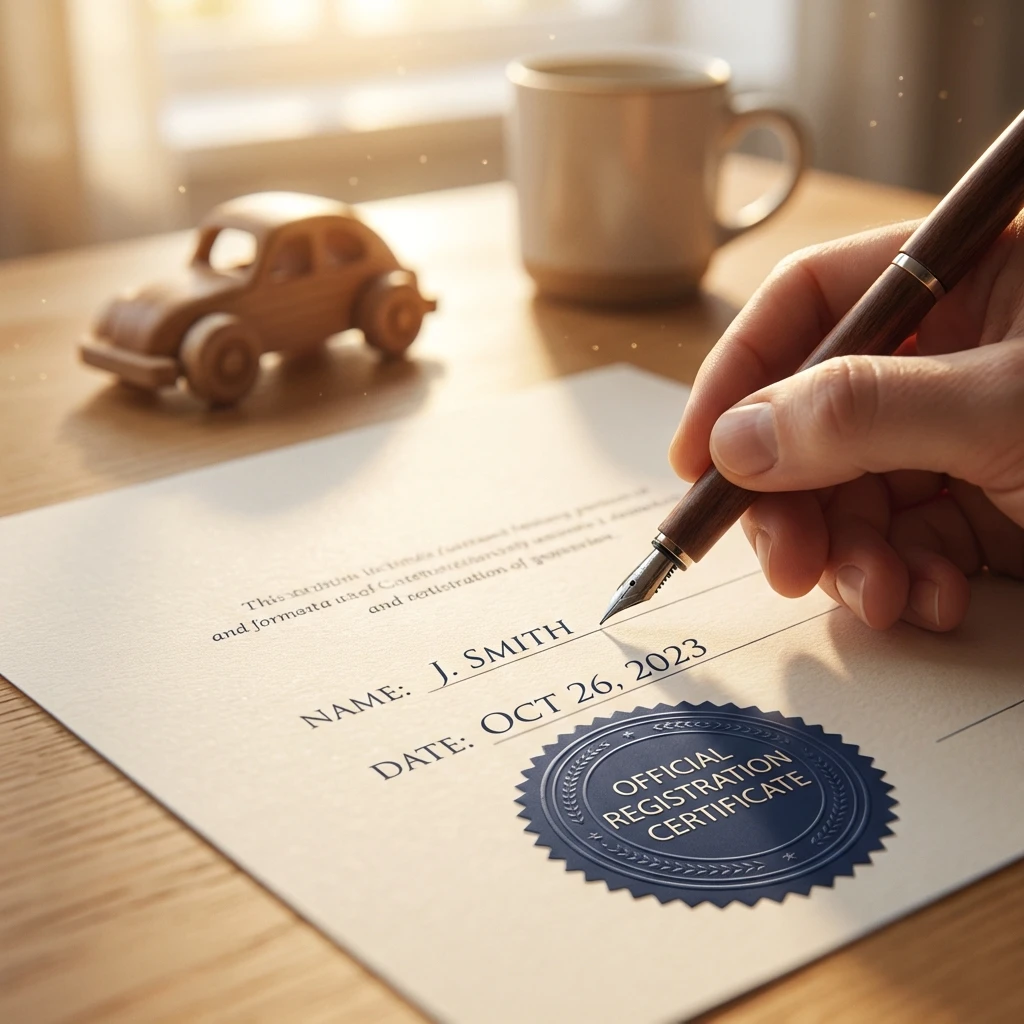
Congratulations, you passed your visit! Your Ofsted certificate will arrive in the mail. Now, it's time to set up the business side of things:
- Public Liability Insurance: You legally must have this before your first minded child steps through the door.
- Register with the ICO: Because you will be handling personal data (photos, addresses, medical needs), you must pay a small data protection fee to the Information Commissioner's Office.
- Register with HMRC: You are now self-employed! You must register for Self Assessment with HMRC to pay your tax and National Insurance.
Ditch the Paperwork from Day One
The biggest shock for new childminders is the amount of paperwork involved. Between tracking EYFS progress, managing parent invoices, and logging daily diaries, many childminders end up working all weekend.
You don't have to.
Before you take on your first child, download KinderStart.
KinderStart is the all-in-one app built specifically for UK childminders. With lightning-fast daily diaries, automated invoicing, and a smart AI-powered weekly planner, KinderStart keeps you perfectly inspection-ready without sacrificing your evenings and weekends.
Related statutory reading:
Related statutory reading: